
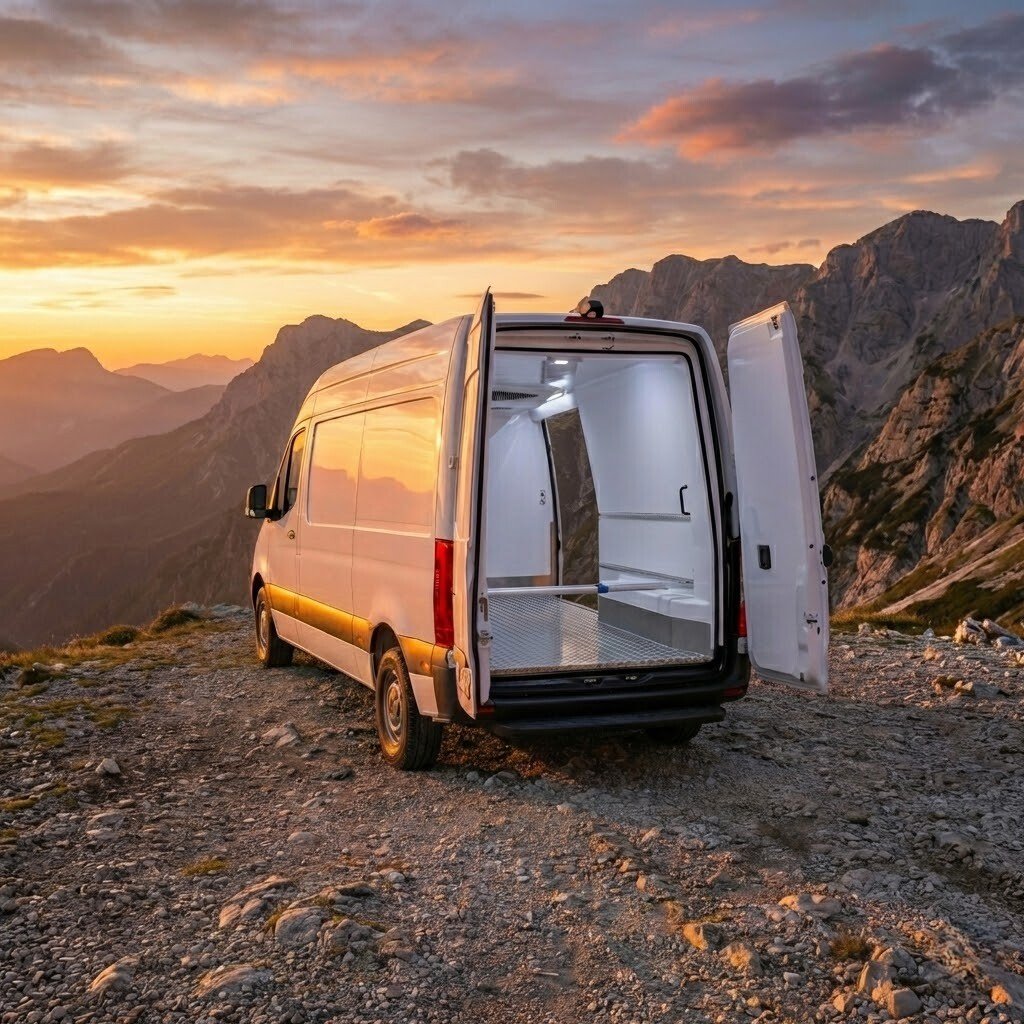
The Mercedes-Benz VAN Roadshow 2026 showed how much temperature-controlled transport is changing. Electric vans are becoming increasingly important for urban logistics, chilled deliveries, pharmacy supplies, catering and fleet projects. Kerstner put the Mercedes-Benz eSprinter at the centre as the basis for a practical refrigerated vehicle.
The focus was not only on electric propulsion. The interaction between vehicle battery, refrigeration system, insulation, payload and daily route profile is decisive. An electric refrigerated vehicle must drive reliably while maintaining temperature during loading, stops, frequent door openings and changing outside temperatures.
eSprinter with Kerstner refrigeration technology
The eSprinter is particularly attractive for urban and regional chilled delivery routes. Typical uses include food deliveries, catering, pharmacy logistics and other temperature-controlled journeys above zero. Kerstner considers vehicle, conversion and refrigeration together so that range, payload and temperature control work in harmony.
For the eSprinter shown, CoolJet C206 EA is the relevant underfloor refrigeration system. The technology is integrated beneath the vehicle. This preserves vehicle height, which can be a practical advantage in urban traffic, courtyards, ramps and low entrances.
ePTO: refrigeration from the vehicle battery
A key component is the ePTO, or electric power take-off. It enables the refrigeration system to run from the eSprinter’s vehicle battery. No additional heavy battery pack is therefore needed for refrigeration. This saves weight and simplifies integration into the vehicle.
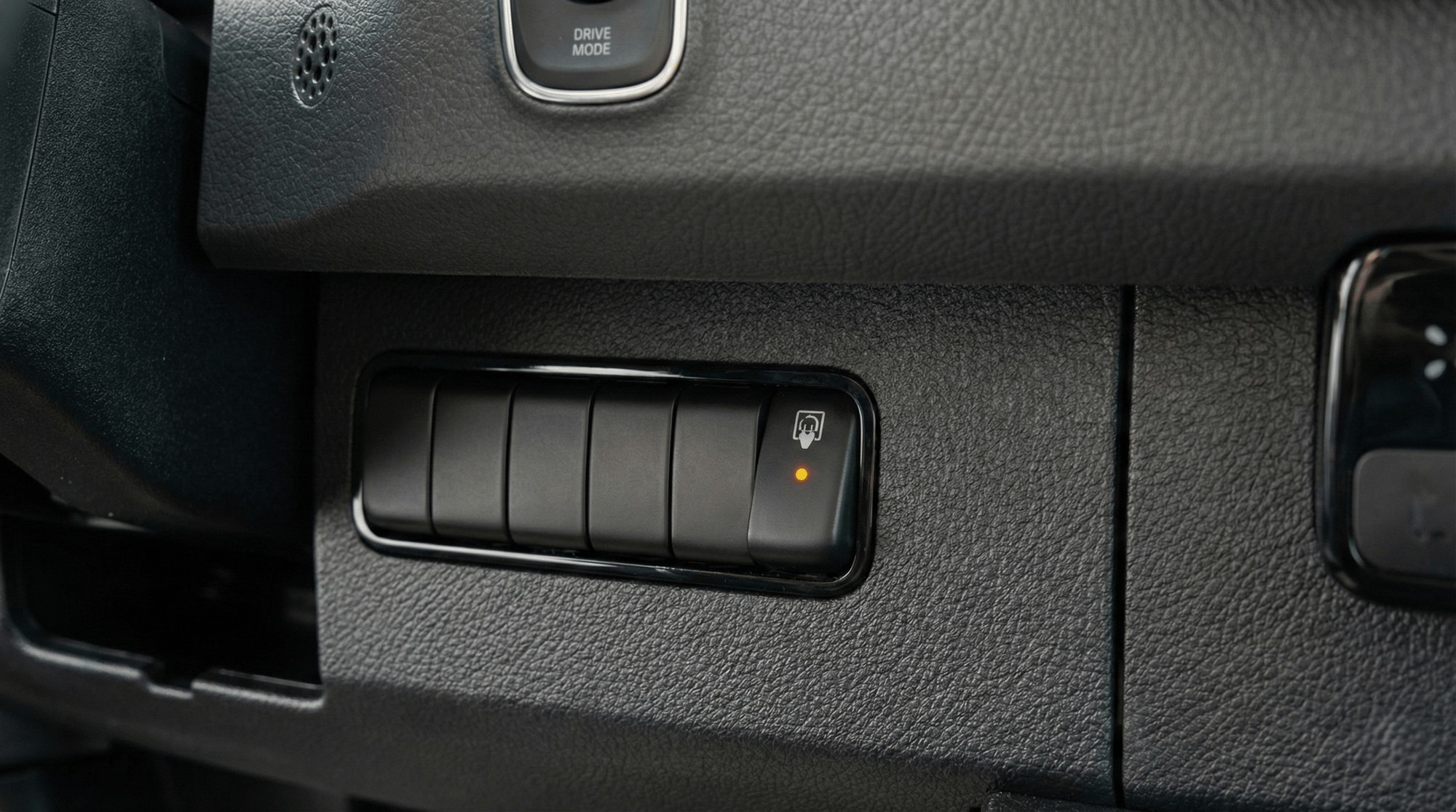
In daily use, the refrigeration can keep running while the eSprinter charges at a wallbox, provided ePTO is switched on. Energy management also protects driving readiness. The ePTO switches off automatically after 12 hours or when the vehicle battery reaches 10 percent state of charge. This preserves a reserve rather than leaving the vehicle with an empty battery.
Optional 230V stationary refrigeration for longer stops
Optional 230V stationary refrigeration is available for longer stops. Refrigeration can then run from a separate 230V connection, for example during extended loading, overnight or for pre-cooling before the route. This is particularly useful when stationary refrigeration is needed beyond the automatic ePTO operating time.
Plan range realistically
The effect of refrigeration on range depends on the application. Outside temperature, pre-cooling, door openings, stationary periods, quantity of goods, load space size and route profile all matter. A single general range figure is therefore insufficient. Planning must consider the actual use.
The eSprinter makes it particularly clear: an electric refrigerated vehicle is not a standard van with a cooling device. It is a coordinated system of base vehicle, high-voltage power, refrigeration, insulation and load space equipment.
What customers can take away from the roadshow
- The eSprinter can be a serious electric alternative for many chilled delivery applications.
- Underfloor refrigeration preserves vehicle height and suits urban locations well.
- ePTO enables refrigeration from the vehicle battery.
- Refrigeration can keep running during wallbox charging when ePTO is active.
- Automatic shutdown after 12 hours or at 10 percent SOC protects driving readiness.
- 230V stationary refrigeration can be specified for longer stops.
Kerstner assesses the vehicle, refrigeration and application together
For customers, the question is not simply whether a vehicle is electric. It must suit the goods, route, temperature requirements and daily work. Kerstner therefore assesses base vehicle, refrigeration, insulation, payload, load space and equipment together.
When planning a Mercedes-Benz eSprinter as a refrigerated vehicle, clarify early: what goods are carried, what temperature is needed, how long the routes are, how often doors open, whether extended stationary refrigeration is needed and whether to include 230V stationary refrigeration.